
COF Trailers over 3.5T
Across New Zealand, more people are wanting to tow loads heavier than the standard 3,500kg WOF trailer limit. At the same time, heavy‑duty US based utes — Ram, Silverado, Super Duty — are becoming more common, and many of these vehicles are mechanically capable of towing well above 3.5T.
But once you cross that threshold, everything changes.
A trailer over 3,500kg becomes a TC‑class heavy trailer, with a Gross Vehicle Mass (GVM) between 3,500kg and 10,000kg. This class requires engineered design, certified components, and ongoing COF inspections every six months. It’s a significant step up from a simple light trailer.
We’ve partnered with independent structural engineers and specialist component suppliers to design, certify, and build fully compliant TC‑class trailers.
Heavy-duty utes currently available in NZ
| Model | Towing Capacity (kg) |
|---|---|
| Ford Super Duty (F‑250 / F‑350) | 5,000–6,800 |
| Ram 1500 | Up to 4,500 (atfermarket mods) |
| Ram 2500 Heavy Duty | Up to ~7,000 |
| Chevrolet Silverado 2500 HD | 5,500–7,000 |
| Chevrolet Silverado 3500 HD | 6,000–7,000 |
Understanding Weight Ratings: GVM vs GCM
Towing capacity alone doesn’t tell the full story. To stay legal and safe, you need to understand:
GVM — Gross Vehicle Mass (maximum weight of the trailer itself, fully loaded)
GCM — Gross Combination Mass (maximum allowed weight of the tow vehicle + trailer + load)
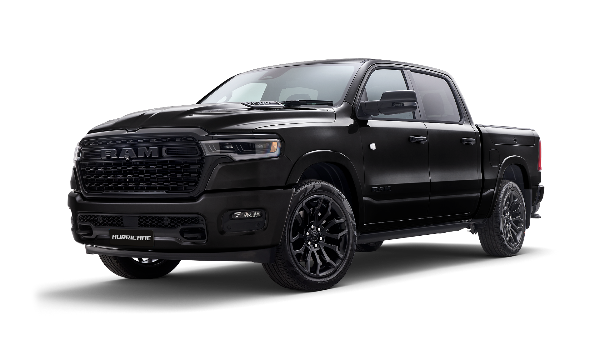
Let’s use the Dodge Ram 1500 Limited as a real‑world example.
Towing capacity: 4,500kg
GCM: 7,713kg
Kerb weight: ~2,750kg (full tank, no driver)
If you tow a 4,500kg COF trailer, the combined weight becomes:
2,750kg (vehicle) + 4,500kg (trailer) = 7,250kg
That leaves only 463kg for passengers, tools, gear, and any additional load. It doesn’t take much to exceed the vehicle’s GCM rating.
And because COF trailers are treated as commercial vehicles, penalties for overloading are significant.
Licence Requirements
A standard Class 1 car licence may not be enough.
A Class 2 licence is required for any vehicle combination exceeding 6,000kg. NZTA provides clear guidance on licence requirements for heavy vehicle towing.
COF Compliance
COF trailers require inspection every 6 months, and these checks are strict. Booking ahead is essential.
Compared to a WOF trailer, COF inspections:
Are more detailed
Have lower tolerance for defects
Require all components to meet heavy‑vehicle standards
Staying compliant is part of owning a TC‑class trailer.
Certification Requirements
A TC‑class trailer must be engineered and certified, including:
Drawbar and chassis strength certification
Brake performance testing in real‑world conditions
Component certification for axles, couplings, suspension, and safety chains
The trailer is certified to a specific tow vehicle, meaning only that vehicle can legally tow it.
Vehicle Connection Options
Depending on trailer GVM, the tow vehicle will be fitted with either:
A 70mm heavy‑duty tow ball, or
A pintle hook, which offers long‑term durability and higher load tolerance
We supply and fit both options depending on your build.
Cost Considerations
Engineering, certification, and heavy‑duty components do add cost. But for customers who need to tow safely above 3.5T, the use‑case typically justifies the investment — especially for commercial operators, tiny‑house owners, and anyone moving large loads.
If you’re interested in a TC‑class trailer, you can learn more about our custom builds here.